How Sleep Dentistry Changes the Way People View Dental Care
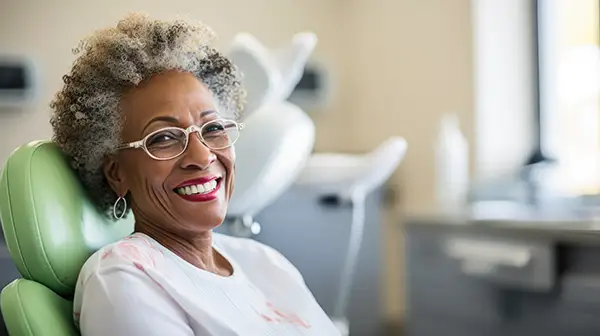 Sleep dentistry is transforming how patients experience and perceive dental care by removing many of the barriers that have traditionally caused fear, discomfort, or avoidance. By using advanced sedation techniques, patients can undergo treatment in a deeply relaxed or fully asleep state, making dental visits feel manageable and, for many, no longer something to dread. At Serenity Sleep Dentistry, this approach is redefining expectations around comfort, efficiency, and overall dental health. Sleep dentistry is transforming how patients experience and perceive dental care by removing many of the barriers that have traditionally caused fear, discomfort, or avoidance. By using advanced sedation techniques, patients can undergo treatment in a deeply relaxed or fully asleep state, making dental visits feel manageable and, for many, no longer something to dread. At Serenity Sleep Dentistry, this approach is redefining expectations around comfort, efficiency, and overall dental health.
Why Many People Fear or Avoid the Dentist
Dental anxiety is one of the most common reasons people delay or avoid care. For some, this fear is mild, while for others it can be severe and deeply rooted in past experiences.
Common causes include:
| • |
Previous traumatic dental experiences - Painful or distressing visits can create long-lasting fear. Learn more: Overcoming Dental Trauma.
|
| • |
Fear of pain or discomfort - Anticipation of pain can prevent patients from seeking care.
|
| • |
Loss of control - Being in a vulnerable position during treatment can trigger anxiety.
|
| • |
Embarrassment about oral health - Concerns about judgment may lead to avoidance. Learn more: Dental Embarrassment. |
These concerns often lead to delayed care, worsening oral health, and more complex treatment needs over time.
What Is Sleep Dentistry?
Sleep dentistry refers to the use of sedation methods that allow patients to remain deeply relaxed or completely unconscious during dental procedures. This approach minimizes awareness, discomfort, and anxiety.
Patients can learn more about available options here: Sedation Dentistry Options.
Depending on the level of sedation used, patients may have little to no memory of the procedure, which can significantly change how they feel about future dental visits.
How Sleep Dentistry Changes Patient Perception
For many patients, sleep dentistry creates a completely different association with dental care—one based on comfort rather than fear.
| • |
Reduces fear and anxiety - Patients no longer anticipate pain or distress.
|
| • |
Creates positive dental experiences - Comfortable visits help rebuild trust over time.
|
| • |
Eliminates procedural awareness - Limited memory of treatment reduces future apprehension.
|
| • |
Encourages consistent care - Patients are more likely to maintain regular visits. |
As a result, patients who once avoided the dentist may begin to see dental care as manageable and even routine.
The Impact on Long-Term Oral Health
When fear is reduced, patients are more likely to seek timely care, which leads to better long-term outcomes.
Sleep dentistry helps:
| • |
Prevent advanced dental issues - Early treatment reduces complications.
|
| • |
Support full treatment completion - Patients are more likely to follow through with care plans.
|
| • |
Improve overall oral function - Restorative treatments can be completed more efficiently.
|
| • |
Enhance confidence and quality of life - A healthy smile contributes to overall well-being. |
Learn how efficient care is achieved with sedation: Expedited Care.
Changing the Experience for Patients with Complex Needs
Sleep dentistry is especially impactful for patients who require extensive or complex dental treatment. Without sedation, these procedures may take multiple visits and cause significant stress.
With sedation:
| • |
Long procedures become manageable - Patients remain comfortable throughout.
|
| • |
Multiple treatments can be completed together - Reducing the number of appointments needed.
|
| • |
Complex cases become more accessible - Patients are less likely to delay necessary care.
|
| • |
Recovery can be more streamlined - Fewer appointments often mean fewer interruptions. |
Explore more about comprehensive treatment approaches: Complex Treatments.
Building Trust Through Comfort-Focused Care
At the core of sleep dentistry is a shift toward patient-centered, comfort-focused care. This approach prioritizes not only clinical outcomes but also how patients feel before, during, and after treatment.
Key elements include:
| • |
Personalized sedation plans - Tailored to individual needs and anxiety levels.
|
| • |
Calm and supportive environment - Designed to reduce stress triggers.
|
| • |
Clear communication - Patients understand what to expect at every step.
|
| • |
Consistent positive experiences - Helping reshape long-term perceptions of dental care. |
Learn more about personalized approaches: Individualized Care.
By focusing on comfort and trust, sleep dentistry helps redefine dental care as something approachable, predictable, and manageable.
FAQs
Does sleep dentistry eliminate dental anxiety completely?
Sleep dentistry significantly reduces or eliminates anxiety during procedures by minimizing awareness and discomfort. While some patients may still feel nervous beforehand, the overall experience is much more manageable.
Is sleep dentistry suitable for patients with severe dental fear?
Yes. Sleep dentistry is often recommended for patients with severe dental anxiety or trauma, as it allows treatment to be completed comfortably without distress.
Will I remember my dental visit with sleep dentistry?
Many patients have little to no memory of the procedure, especially with deeper sedation methods like IV sedation or general anesthesia.
Can sleep dentistry help me keep up with regular dental care?
Yes. By making dental visits more comfortable and less stressful, sleep dentistry encourages patients to maintain consistent care and avoid delaying treatment. |